As global logistics demand grows, ASRS Systems are becoming essential for efficiency. Automated Storage and Retrieval Systems streamline operations, reducing manual errors and saving time. However, selecting the right system is crucial. Buyers face a spectrum of options, each with unique features and potential drawbacks.
The 2026 landscape for ASRS Systems presents several advancements that could enhance productivity. Innovations in technology, along with increasing customization options, are worthy of attention. Yet, not every solution is perfect for every business. Each company must evaluate its specific needs. Insights from industry experts reveal both the strengths and limitations of different systems.
Understanding these dynamics is vital for making an informed choice. By considering the latest ASRS technology, companies can align operations with future demands. However, it requires careful analysis and reflection on unique business circumstances. The right choice can lead to significant improvements, but a hasty decision could lead to inefficiencies.
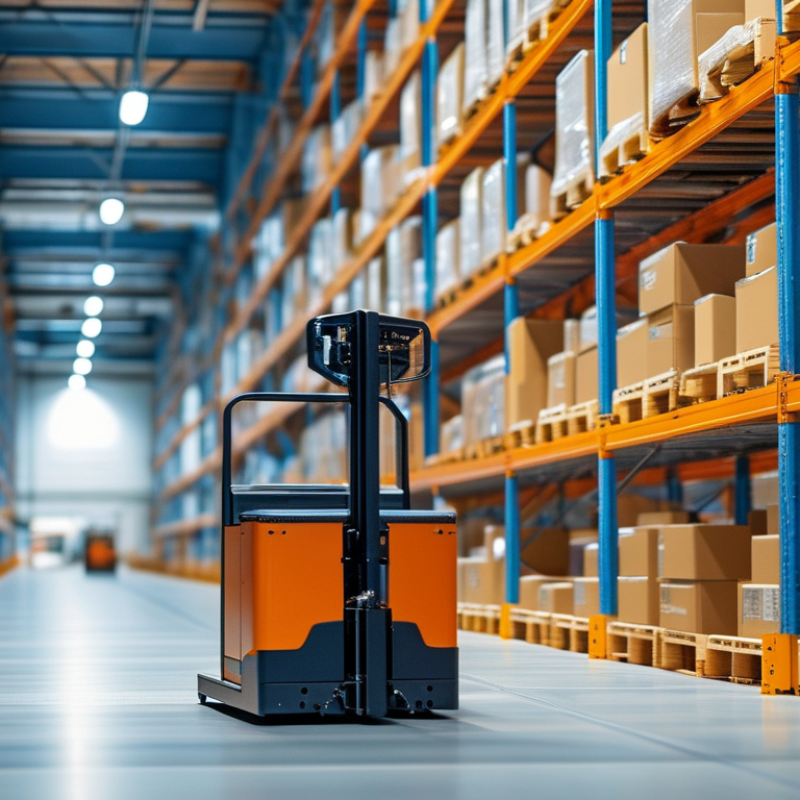
Overview of Automated Storage and Retrieval Systems (ASRS)
Automated Storage and Retrieval Systems (ASRS) offer efficient solutions for inventory management.
These systems streamline storage, retrieval, and handling of goods in warehouses. As businesses expand,
the demand for space and speed increases. An effective ASRS can maximize warehouse space, enhance order
accuracy, and reduce picking times.
Implementing an ASRS requires careful planning. It’s crucial to evaluate your operational needs thoroughly.
Consider the types of products you manage and their storage requirements. A system that works for one type
of inventory may not be suitable for another. Start with a clear understanding of your workflows to
determine the best fit.
Tips for choosing an ASRS:
- Assess your current and future storage needs.
- Consult with experts to understand the technology better.
- Look for systems with scalability options.
Additionally, investing in staff training is vital. Even the best ASRS can falter without proper use.
Train employees on system functionalities to ensure smooth operations. Frequent reviews and updates will
help you adapt to changing requirements. Remember, no system is perfect; continuously optimizing your
ASRS strategy is essential for long-term success.
Key Features to Consider When Choosing ASRS Solutions
When choosing Automated Storage and Retrieval Systems (ASRS), a few key features stand out. Flexibility is crucial. The system should adapt to varying product sizes and storage needs. This adaptability helps companies manage fluctuating demands without significant downtime. Many businesses overlook this aspect, leading to inefficient use of space.
Another vital feature is integration capability. An ASRS must work seamlessly with existing warehouse management systems. Poor integration complicates inventory management. This can result in delays and increased operational costs. Being aware of potential integration issues can save time and resources.
Finally, reliability plays a major role. A dependable ASRS reduces the risk of breakdowns and errors. Companies should assess the system's track record in real-world scenarios. It's important to ask for case studies or references. Others' experiences can provide insights. The path to selecting an ASRS should include careful evaluation of these features. They can significantly impact efficiency and overall warehouse performance.
Top ASRS Systems in 2026: Market Leaders and Innovators
In 2026, the landscape of Automated Storage and Retrieval Systems (ASRS) is evolving. Companies are increasingly drawn to systems that blend efficiency with advanced technology. Solutions that utilize artificial intelligence are becoming prevalent. These innovations allow for better inventory management and real-time tracking. In today's fast-paced market, responsiveness is crucial.
Market leaders focus on enhancing user experience while maintaining reliability. Systems are being designed with modular components, making upgrades easier. However, some companies struggle with integration. It remains a challenge to combine old and new technologies seamlessly. On the other hand, next-gen ASRS offer data-driven insights. Visualization tools and analytics are key features driving decisions.
Investments in ASRS are significant. Companies aspire to reduce labor costs and improve accuracy. Yet, the initial financial commitment can be daunting. Without thorough implementation planning, some might face setbacks. Balancing cost against efficiency is not straightforward. The quest for optimal solutions continues, highlighting a need for ongoing reflection and adjustment in choices.
2026 Best ASRS Systems for Global Buyers to Consider
| System Type |
Storage Capacity (Pallets) |
Throughput (Items/Hour) |
Technology Type |
Energy Efficiency Rating |
| Unit-Load ASRS |
10,000 |
150 |
Automated Guided Vehicles |
A+ |
| Mini-Load ASRS |
5,000 |
200 |
Shuttle System |
A |
| Carousels ASRS |
2,500 |
300 |
Vertical Carousel |
B+ |
| Buffer Storage ASRS |
8,000 |
175 |
Cross-Belt Sorters |
A++ |
| Automated Mobile Robots |
Variable |
450 |
AMR |
A |
Evaluating ASRS Performance and Reliability for Global Buyers
When evaluating Automated Storage and Retrieval Systems (ASRS), performance and reliability are critical factors. A comprehensive report by the Warehouse Automation Society highlights that 75% of businesses experience significant improvements in inventory accuracy when implementing ASRS solutions. Moreover, these systems can reduce order fulfillment times by up to 50%. Reliability remains a concern, however. In the same report, approximately 30% of respondents reported downtime due to system failures. This emphasizes the importance of choosing a system with proven dependability.
Another study from the Logistics Management Institute points out that ASRS can achieve efficiency rates upwards of 80%. This statistic is reassuring but should prompt buyers to consider ongoing maintenance and support. A system’s design and integration also influence its long-term performance. Buyers must assess the capability to handle future growth. Feedback from users reveals that flexibility in scaling operations is often underestimated.
As technology advances, newer ASRS models are emerging. Some claim to improve throughput by 20% annually. Yet, these claims require scrutiny. Rigorous testing and real-world case studies should guide purchasing decisions. Buyers need to balance flashy features with tangible benefits. Data from the Materials Handling Industry shows that about 40% of ASRS installations face integration challenges. This reality necessitates a careful evaluation of both current and future needs.
Future Trends in ASRS Technology and Industry Applications
Automated Storage and Retrieval Systems (ASRS) are evolving rapidly, driven by emerging technologies and industry demands. The shifting landscape emphasizes the integration of artificial intelligence (AI) and robotics. These advancements can optimize warehouse operations. Automation can enhance inventory management, helping to reduce human error. However, reliance on technology may pose challenges, such as system malfunctions.
Sustainability is another key trend in the ASRS space. Companies are increasingly prioritizing eco-friendly solutions. For instance, energy-efficient systems can lead to reduced operational costs. Implementing green practices is critical for meeting consumer expectations. Still, organizations must reflect on the trade-offs. Balancing innovation with sustainability requires continuous evaluation.
Real-time data analytics is gaining traction within ASRS. These insights can provide visibility into operations, improving accuracy and efficiency. Integrating IoT devices can further enhance this aspect. However, with vast amounts of data, companies may face security concerns. They need to strategize effectively to protect sensitive information while reaping the benefits of new technologies.
2026 Best ASRS Systems: Performance Metrics
Conclusion
Automated Storage and Retrieval Systems (ASRS Systems) are essential for improving efficiency and accuracy in modern warehouses and distribution centers. This article provides a comprehensive overview of ASRS solutions, highlighting key features that buyers should consider when selecting a system, such as speed, flexibility, and scalability. It also discusses the top ASRS systems projected for 2026, focusing on market leaders and innovative technologies shaping the industry.
Furthermore, the article emphasizes the importance of evaluating ASRS performance and reliability to ensure they meet the needs of global buyers. By analyzing future trends in ASRS technology, the piece sheds light on how these systems will continue to evolve and adapt to various industry applications, signaling a promising future for automated logistics solutions.

 Runda Racking